
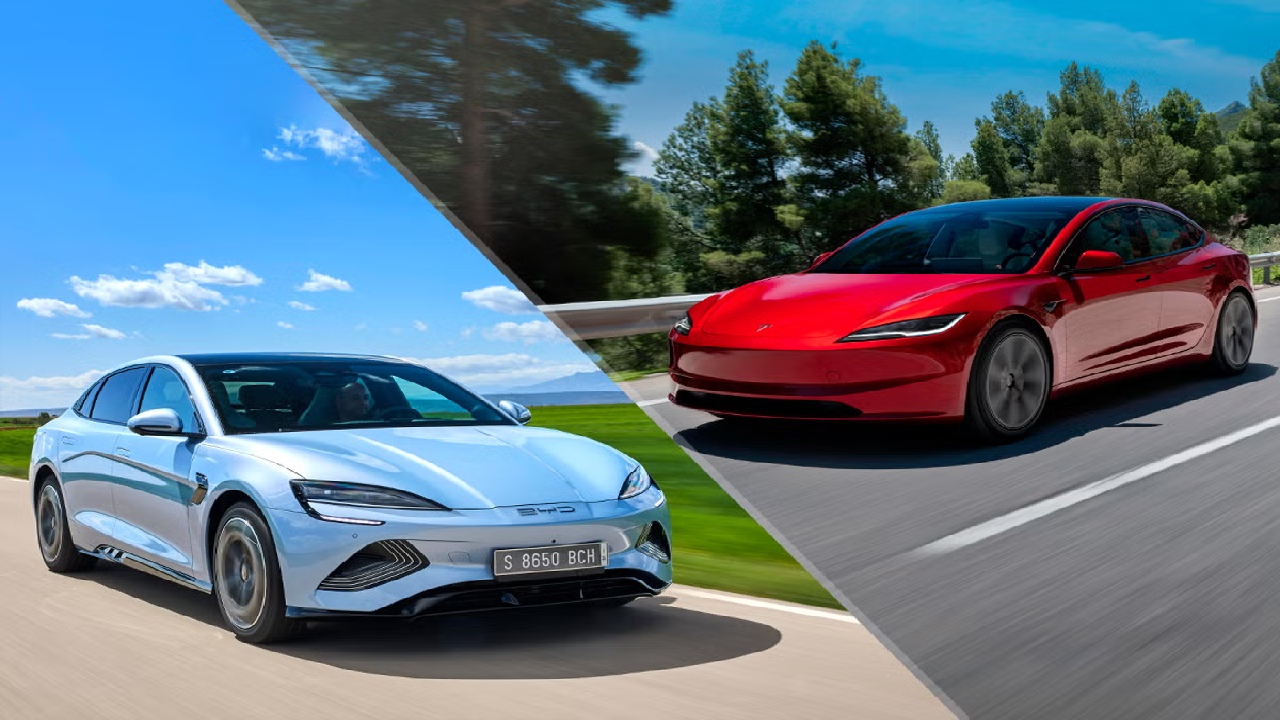
The global electric vehicle race is no longer just about innovation—it’s about scale, price, and who can dominate the future of mass mobility. In this comparison of Tesla vs BYD, the real question is simple: which company is actually better for buyers, investors, and long-term market leadership?
This article breaks down both companies in a practical, real-world way—looking at pricing, availability, technology, and overall value—to help you clearly understand who is leading and why it matters.
Pricing & Affordability?
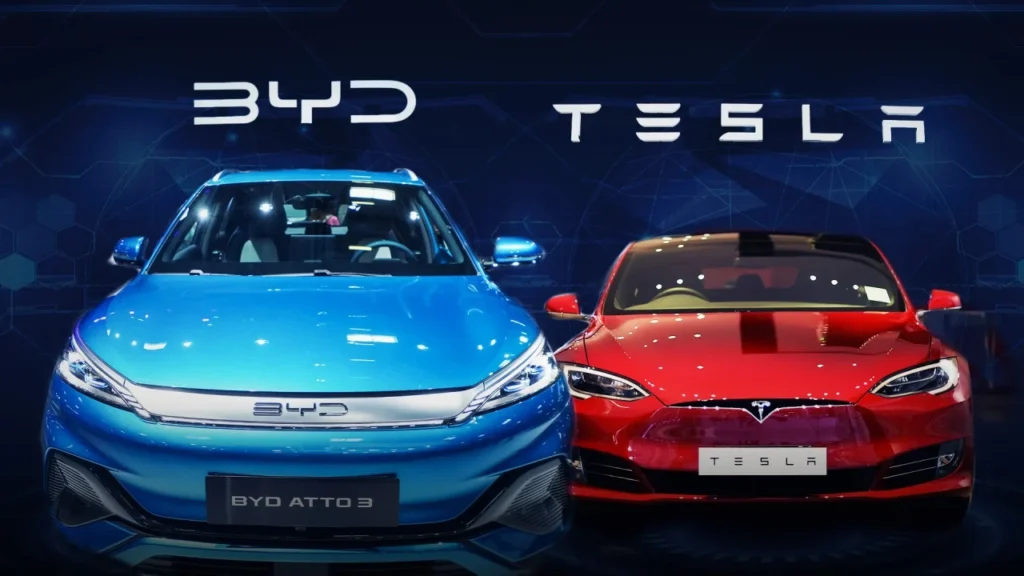
When it comes to pricing, BYD has a very clear advantage. BYD focuses heavily on mass-market electric vehicles, especially in China and emerging markets, where affordability is a key driver of demand. Its vehicles are generally priced lower because the company produces a large portion of its batteries in-house, reducing overall costs.
Tesla, on the other hand, positions itself as a premium EV brand. Even its “entry-level” models are often more expensive than BYD’s mid-range offerings. While Tesla offers strong performance and brand prestige, the pricing naturally limits accessibility for many buyers.
If you’re a budget-conscious buyer or a first-time EV owner, BYD clearly wins this category. Tesla only makes sense if you’re willing to pay extra for brand, performance, and ecosystem value.
Winner: BYD (by a wide margin on affordability)
Technology & Innovation: Who Leads the EV Future?
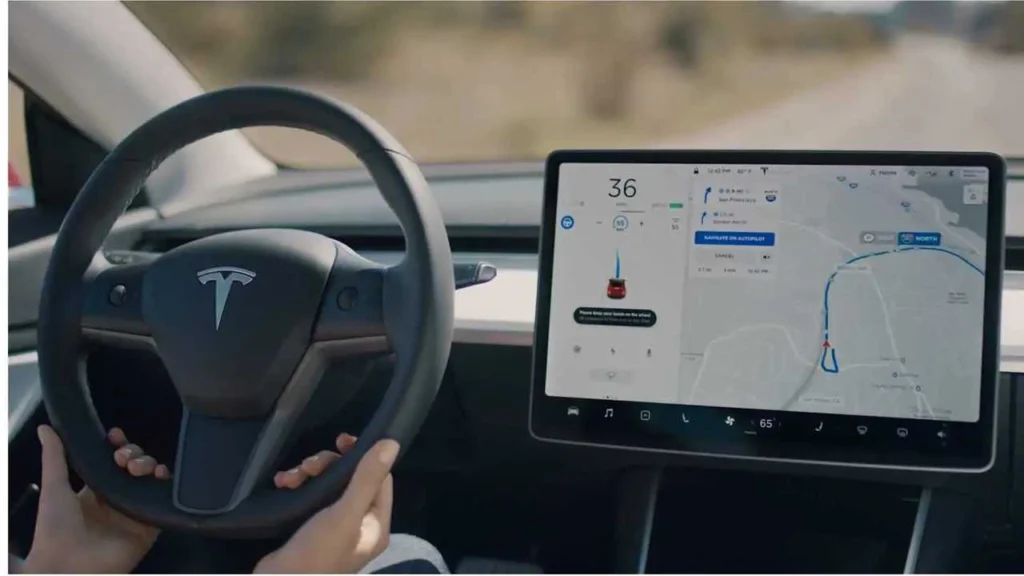
Tesla has built its reputation on cutting-edge innovation—especially in software, autonomous driving, and battery efficiency. Its over-the-air updates, advanced driver assistance systems, and strong charging network give it a tech-first identity that few competitors match.
BYD, however, has taken a different route. Instead of focusing heavily on software branding, it has invested deeply in battery technology, manufacturing efficiency, and vertical integration. Its blade battery technology is widely seen as a safety and durability improvement in the industry.
In simple terms: Tesla feels like a software company that builds cars, while BYD feels like a manufacturing giant that builds extremely efficient EVs.
If you value futuristic tech, Tesla still holds the edge. But if you prioritize practical engineering and production strength, BYD is catching up fast.
Winner: Tesla (slight edge in innovation and software ecosystem)
Global Availability & Market Reach
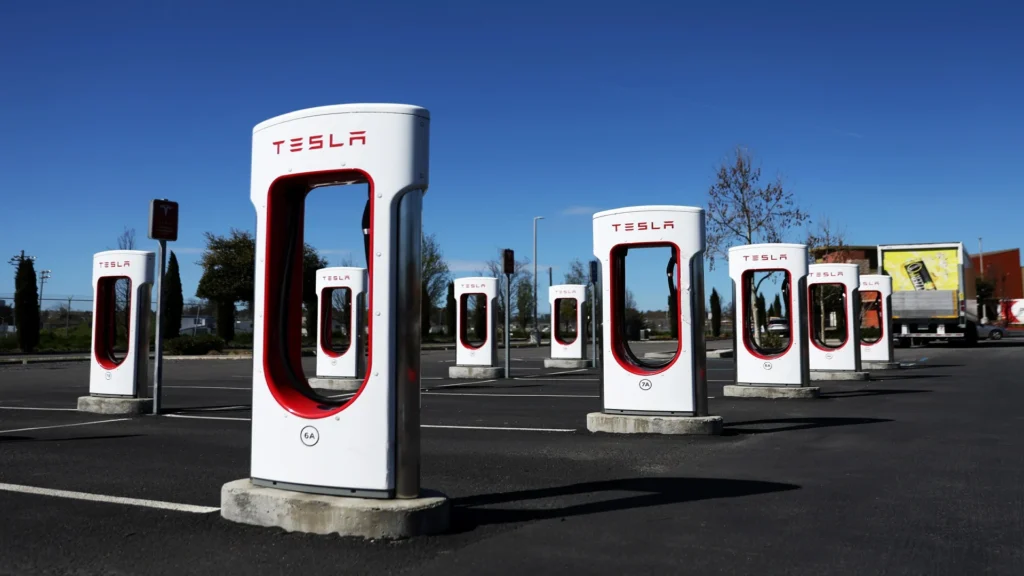
Tesla is a global brand with strong presence in the US, Europe, and parts of Asia. Its Supercharger network also gives it a major advantage in regions where charging infrastructure is still developing.
BYD, meanwhile, dominates China’s EV market and is rapidly expanding into Europe, Latin America, and Southeast Asia. However, its global charging ecosystem and brand recognition outside China are still developing compared to Tesla.
In real-world terms, Tesla is easier to access in more countries today, especially if you want a consistent ownership experience. BYD is expanding quickly, but availability still varies depending on region.
Winner: Tesla (for global accessibility and infrastructure)
Charging Infrastructure & Convenience
One of Tesla’s strongest advantages is its proprietary Supercharger network. It is fast, widely distributed in key markets, and tightly integrated with Tesla vehicles, making long-distance travel much easier.
BYD relies mostly on third-party charging networks or regional infrastructure, which can vary significantly in quality and availability depending on the country. While this is improving, it still lacks the seamless ecosystem Tesla offers.
For convenience and stress-free long-distance travel, Tesla remains ahead.
Winner: Tesla (clear leader in charging ecosystem)
Performance & Driving Experience
Tesla is known for its acceleration, smooth software-driven driving experience, and strong autopilot features. It appeals strongly to drivers who want a “tech gadget on wheels” feel combined with high performance.
BYD vehicles, meanwhile, focus more on comfort, practicality, and efficiency. They are not always tuned for extreme performance, but they offer stable, reliable driving experiences suited for everyday use.
If you want excitement and high performance, Tesla stands out. If you want comfort and practicality at a lower cost, BYD delivers better value.
Winner: Tesla (for performance), BYD (for practicality)
Build Quality & Manufacturing Strength
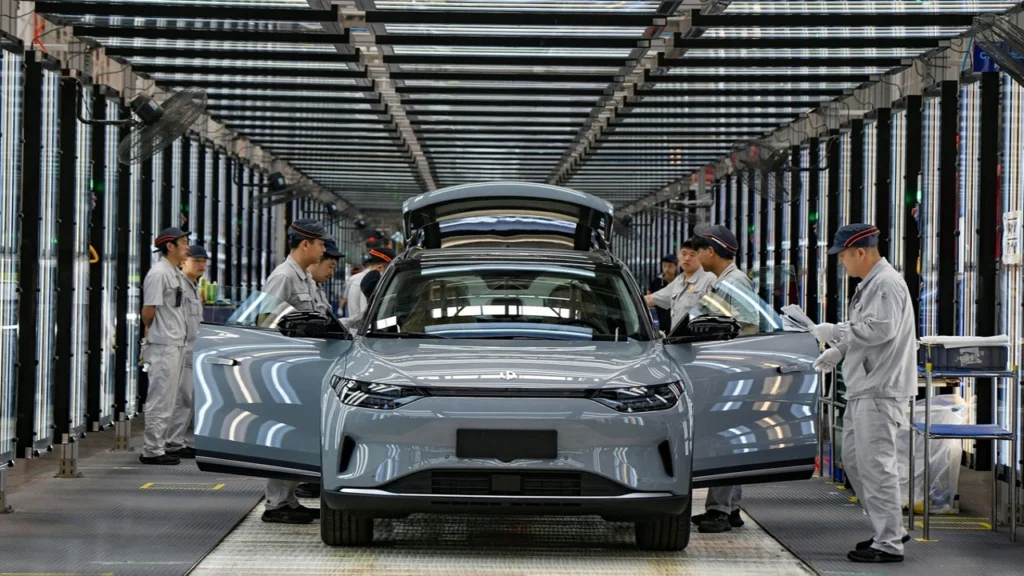
BYD has a major structural advantage because it controls much of its supply chain, especially battery production. This gives it cost efficiency and manufacturing consistency at scale.
Tesla has improved significantly in build quality over the years, but it has faced criticism in the past for inconsistent panel gaps and quality control issues depending on production region.
In terms of raw manufacturing control and cost efficiency, BYD has the stronger industrial backbone. Tesla still wins on design and software integration, but BYD is more vertically stable.
Winner: BYD (for manufacturing efficiency and cost control)
Market Position & Financial Strength
From a finance perspective, Tesla remains the more globally recognized and higher-valued brand in Western markets. It is often treated as a technology stock rather than just an automaker.
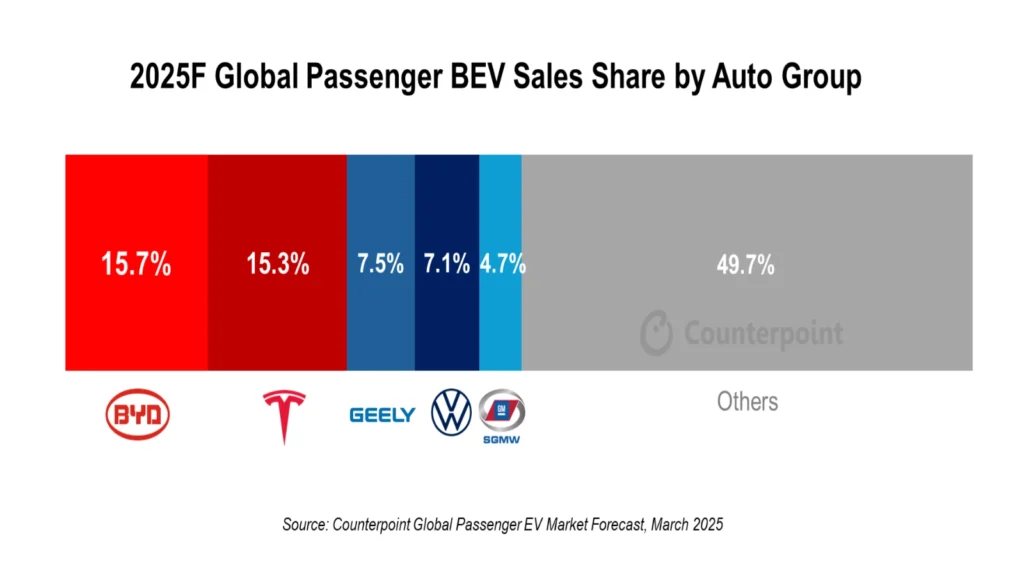
However, BYD has been growing aggressively in global EV sales and is now one of the largest EV producers in the world by volume. It benefits from strong domestic demand and expanding international exports.
Tesla leads in brand valuation and investor attention, but BYD leads in production scale and volume growth.
Winner: Tie (Tesla for valuation, BYD for volume dominance)
Overall Value for Money
This is where the real difference becomes clear.
Tesla offers a premium experience: advanced software, strong charging infrastructure, and high performance. But you pay for that experience.
BYD offers more accessible pricing, strong battery technology, and excellent value for everyday use. It may not feel as “luxury tech-driven,” but it delivers practical EV ownership at a lower cost.
If you are looking at pure value per dollar spent, BYD is extremely hard to beat.
Winner: BYD (best overall value proposition)
Final Verdict: Tesla vs BYD — Which Is Better?
The answer depends on what you prioritize, but if we look at the overall balance of price, scalability, and real-world usability, the winner is clear.
Overall Winner: BYD
BYD wins because it delivers stronger value, lower pricing, and massive manufacturing scale. It is built for the mass market and is positioning itself as the global volume leader in electric vehicles.
Tesla still wins in:
- Technology and software
- Charging ecosystem
- Premium driving experience
But BYD wins where it matters most for the future of EV adoption: affordability and scale.
Who Should Choose What?
- Best for budget users: BYD (far more affordable EV entry point)
- Best for convenience and tech experience: Tesla (best ecosystem and software)
- Best overall: BYD (value, scale, and global growth potential)
Bottom Line
Tesla is the symbol of EV innovation, but BYD is the engine of EV mass adoption. One builds the dream; the other builds the future at scale. And in a market moving rapidly toward affordability and global expansion, scale often wins.