
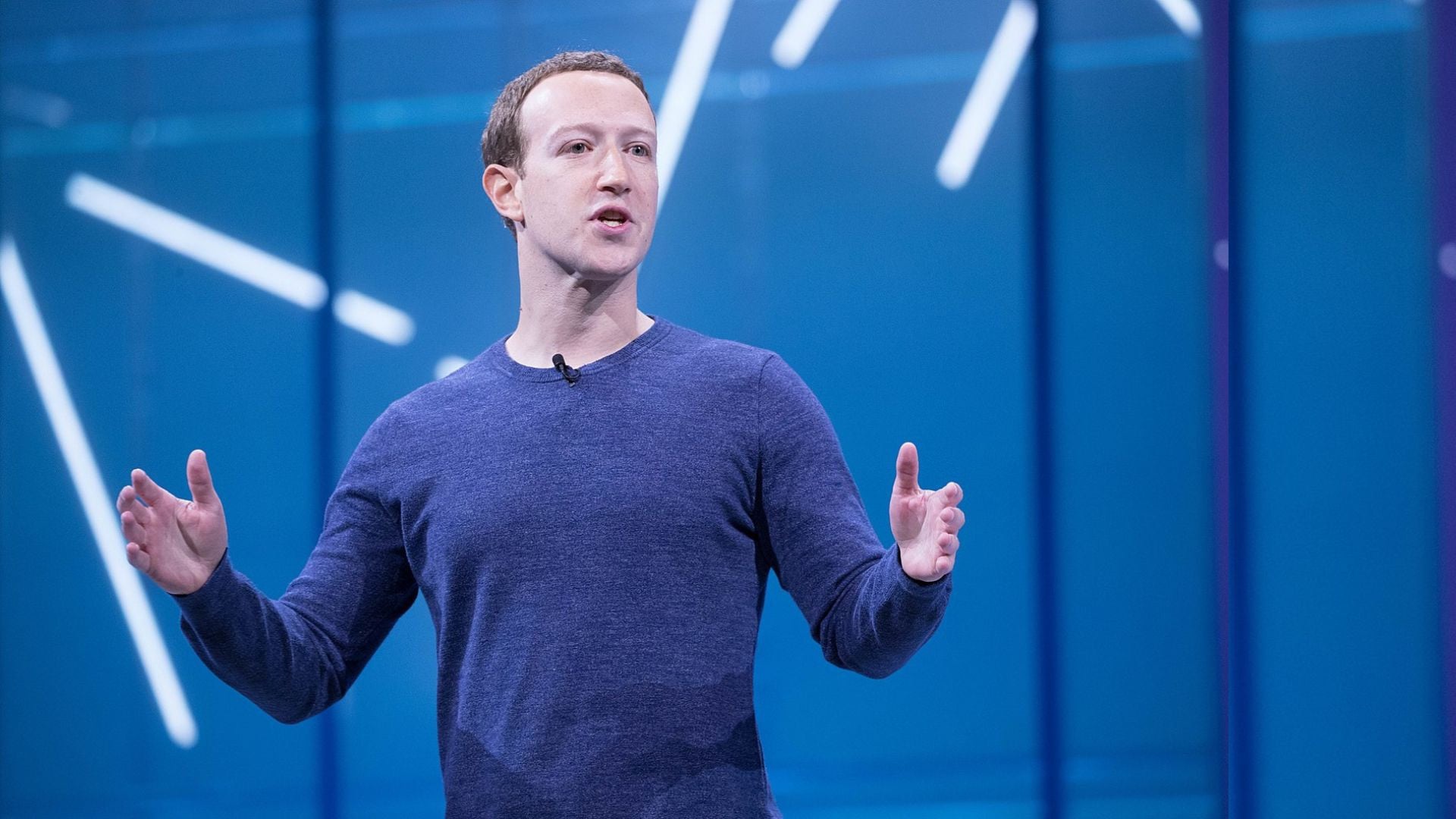
Meta Platforms’ aggressive push into artificial intelligence is delivering measurable business gains, yet investors remain unconvinced—while Amazon continues to receive far greater market confidence for similar or even larger spending. The divergence highlights a growing split in how Wall Street evaluates AI-driven capital expenditure across Big Tech.
Meta’s latest earnings underscore the paradox. The company reported strong first-quarter revenue of $56.3 billion, up 33% year-on-year, with analysts noting that AI is already improving engagement, ad pricing, and overall monetization. Despite these results, its stock fell sharply after it raised its 2026 capital expenditure forecast to $125–$145 billion, intensifying concerns about the scale and visibility of returns.
The skepticism contrasts sharply with investor sentiment toward Amazon. The company is planning up to $200 billion in capital expenditure, largely tied to its cloud division, Amazon Web Services, which grew 28% year-on-year—its fastest pace in years. Crucially, Amazon’s AI investments are directly tied to a revenue-generating cloud platform, giving investors visibility into how spending translates into income.
This difference in “visibility” is central to the current market divide. Analysts say Meta’s AI is already “justifying higher capex,” pointing to strong margins—around 60% EBITDA—and improved return on investment. However, unlike Amazon’s cloud model, Meta’s AI benefits are spread across advertising, content recommendations, and user engagement, making them harder to isolate and forecast.
The broader context amplifies the issue. Across the tech sector, companies are collectively expected to spend hundreds of billions on AI infrastructure, from data centers to advanced chips. Investors are no longer satisfied with long-term promises; they are demanding clear, near-term financial outcomes. This shift is evident in the contrasting market reactions: Meta’s shares dropped despite strong earnings, while companies with clearer AI monetization pathways, such as Amazon, were rewarded.

There is also a structural difference in business models. Meta generates over 98% of its revenue from advertising, meaning AI must indirectly boost performance through engagement and targeting. Amazon, by contrast, monetizes AI directly through enterprise cloud services, where customers pay for compute, storage, and AI tools—creating a more transparent revenue loop.
This gap in perception is not necessarily about execution but narrative. Meta appears to be delivering tangible AI-driven growth, but the market struggles to quantify its long-term payoff. Amazon, even with lower margins in some AI segments, benefits from a model where demand, pricing, and revenue linkage are easier to track.
Looking ahead, the pressure on Meta is likely to intensify. As AI spending continues to rise, investors will expect clearer disclosure on how these investments convert into sustained earnings growth. Without that clarity, even strong financial performance may not be enough to restore confidence.
The broader implication is clear: in the current phase of the AI cycle, execution alone is no longer sufficient. Companies must not only invest and grow—but also prove, with precision, how every dollar spent on AI translates into durable, visible returns.