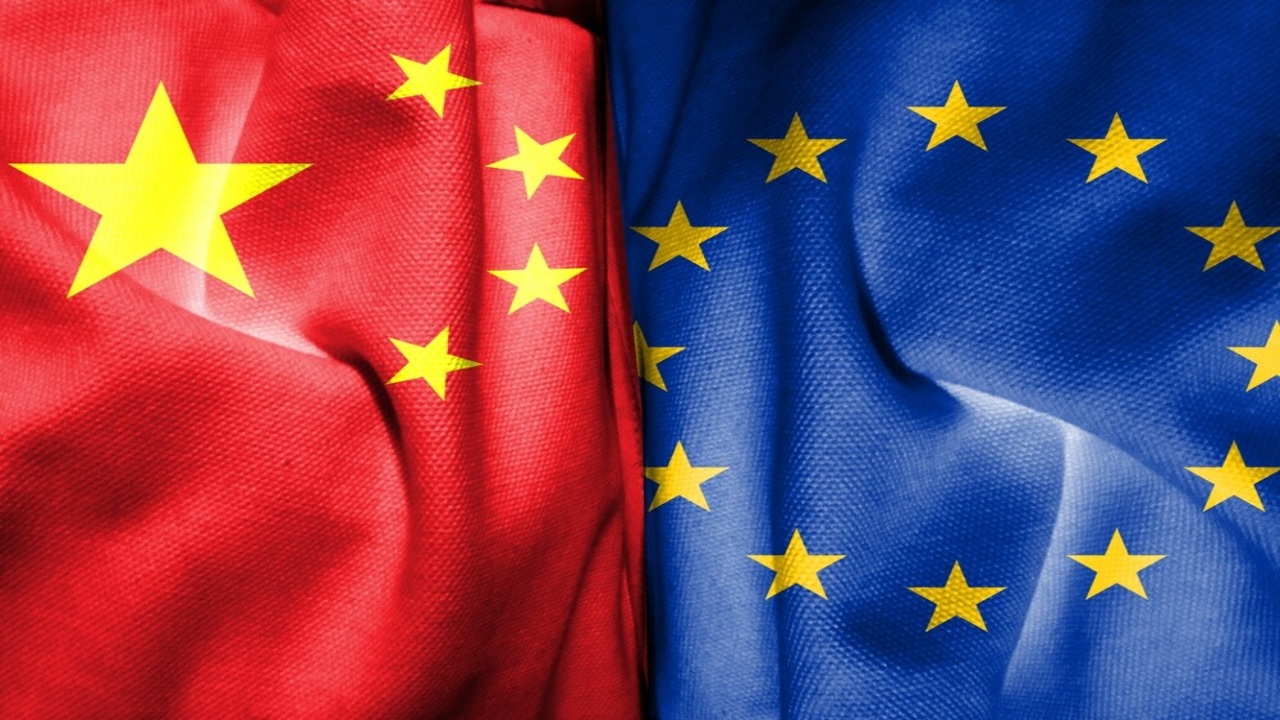
China has warned it will take retaliatory action if the European Union does not revise sweeping new industry and technology rules, sharply escalating tensions between two of the world’s largest economic blocs at a sensitive moment for global trade.
Beijing’s warning targets a package of EU proposals—including “Made in Europe” industrial policies and stricter cybersecurity regulations—that Chinese officials say are discriminatory and could violate World Trade Organization principles. The threat of countermeasures signals a growing risk of a broader trade confrontation, particularly in strategic sectors such as green technology, telecommunications, and electric vehicles.
The dispute stems from the EU’s push to rebuild domestic industrial capacity and reduce reliance on foreign suppliers, especially China. Proposed rules would require companies seeking public subsidies or contracts in key sectors—such as clean energy, automotive, and steel—to meet minimum thresholds for EU-made components. At the same time, updated cybersecurity legislation could allow Brussels to designate certain countries as “high-risk,” effectively excluding their companies from critical infrastructure and technology supply chains.
China has responded forcefully. Its commerce ministry has warned that if Chinese firms are labeled high-risk or restricted from EU markets, Beijing could launch investigations into European companies and impose reciprocal measures. Officials argue that the EU’s approach introduces “non-technical” criteria that could be used to justify politically motivated exclusions.
This is not just a regulatory disagreement—it reflects a deeper structural shift in global economic policy. For years, the EU maintained relatively open trade policies even as China expanded its industrial dominance. But rising concerns over supply chain security, technological sovereignty, and geopolitical risk have pushed Brussels toward a more protectionist stance.
The scale of Europe’s dependence on China helps explain the urgency. According to recent analysis, China supplies 98% of Europe’s solar panels, 88% of lithium-ion batteries, and 61% of inverters, underscoring how deeply embedded Chinese manufacturing is in the EU’s green transition. This reliance has raised fears in Europe about strategic vulnerability, particularly in sectors tied to energy and national security.

At the same time, the EU argues that its policies are necessary to level the playing field. European officials have long complained that Chinese firms benefit from heavy state subsidies, allowing them to undercut competitors globally. The new rules aim to boost the EU’s manufacturing share of GDP and prevent further industrial decline.
For businesses, the implications are significant. European companies operating in China could face retaliatory probes or market restrictions if tensions escalate. Meanwhile, Chinese firms—particularly in telecoms and advanced technology—risk losing access to one of their most important export markets.
The dispute also intersects with broader geopolitical trends. The United States has already imposed strict limits on Chinese technology firms, and the EU’s new rules suggest it may be moving closer to Washington’s position. This alignment could further isolate China in global tech supply chains, while increasing fragmentation in international trade.
Despite the strong rhetoric, both sides have left the door open for negotiation. China has formally submitted objections to the European Commission and is lobbying EU member states to amend the proposals. The legislation itself is still in early stages, meaning there is room for compromise before final adoption.
However, the direction of travel is clear. The EU is prioritizing industrial resilience and strategic autonomy, even at the cost of trade friction. China, in turn, is signaling it will not accept policies that restrict its companies without a response.
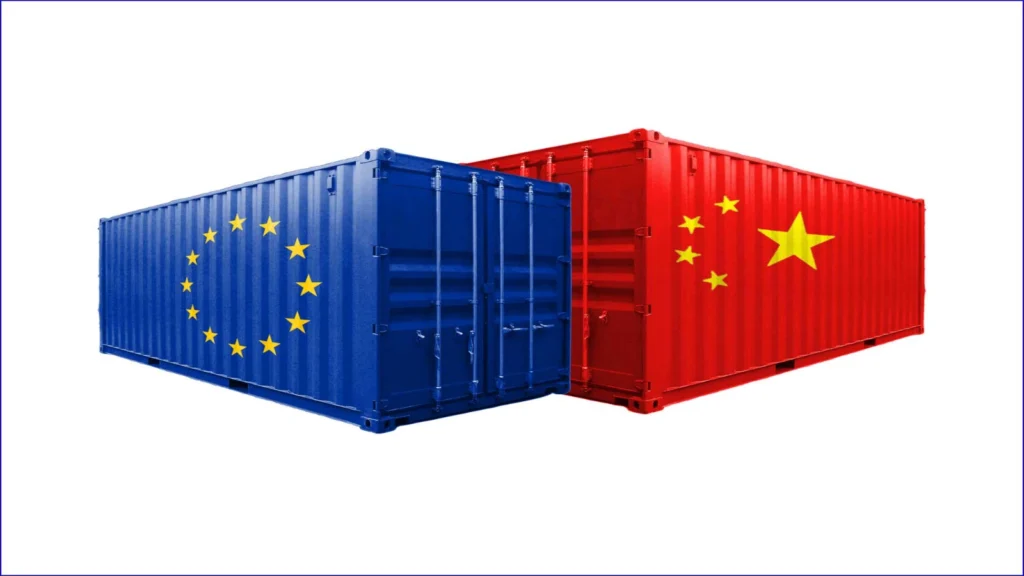
Looking ahead, the outcome will depend on whether both sides can find a balance between security concerns and economic cooperation. If the EU softens key provisions, tensions may ease. But if the rules are implemented in their current form, retaliation from Beijing could trigger a wider trade dispute—reshaping supply chains and deepening the global divide in technology and industry.