Oil prices hit a one-month high on Wednesday following reports that Donald Trump is preparing to extend a naval blockade of Iran. Brent crude rose 5% to 116.80 per barrel, while USWTI climbed 3.6103.54.The rally extends an eight-session winning streak for crude markets. Prices have gained more than 49% since the US-Israeli led war against Iran began on February 28.
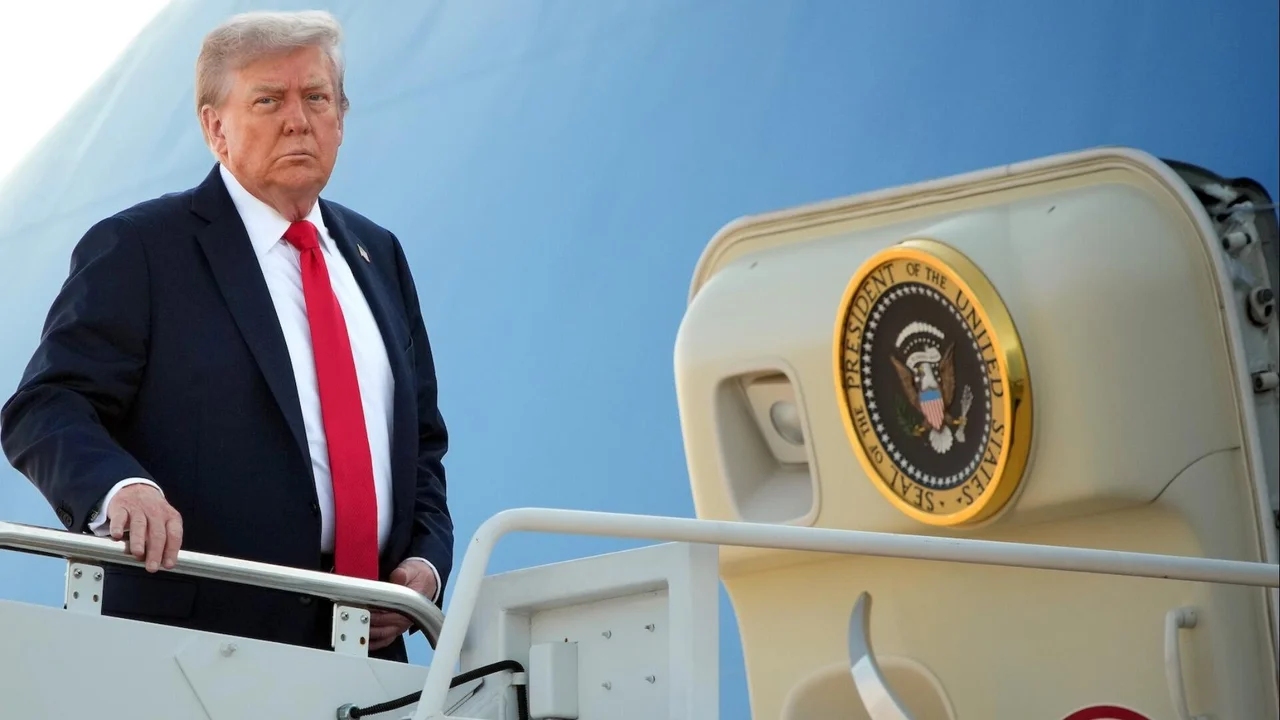
The Wall Street Journal reported that Trump, dissatisfied with Tehran’s latest peace proposal, has chosen to continue squeezing Iran’s economy. He assessed that maintaining the blockade carries less risk than resuming airstrikes or walking away from the conflict.
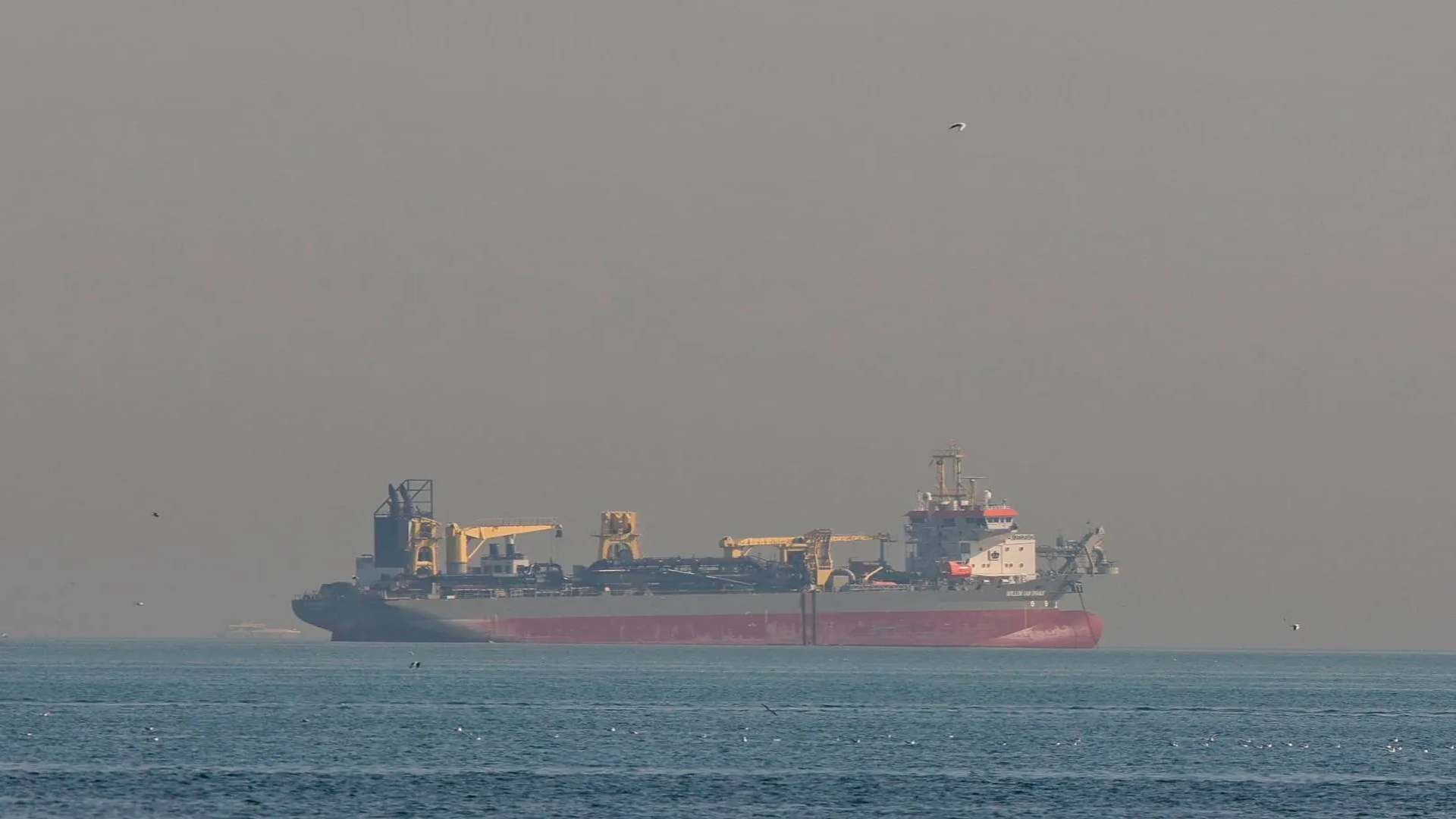
Iran has responded by shutting shipping flows through the Strait of Hormuz. The strait handles approximately 20% of global oil and liquefied natural gas supplies. This dual blockade has tightened physical markets dramatically.

US crude inventories fell by 1.79 million barrels for the week ended April 24. Gasoline stocks dropped even more sharply, falling by 8.47 million barrels. Both mark consecutive weekly drawdowns, according to the American Petroleum Institute.
“The recent rise in oil prices has been driven by the Strait blockade,” said Yang An, an analyst at Haitong Futures. “If Trump is prepared to extend the blockade, supply disruptions would worsen further. “Kathleen Brooks, research director at XTB, noted that markets have not priced in a prolonged conflict. “Financial markets will now need to price in the prospect of a prolonged blockade,” she said.
The World Bank projects energy prices could surge 24% in 2026. That would mark the highest level since Russia’s invasion of Ukraine. The deadlock persists with both sides far apart on key demands.
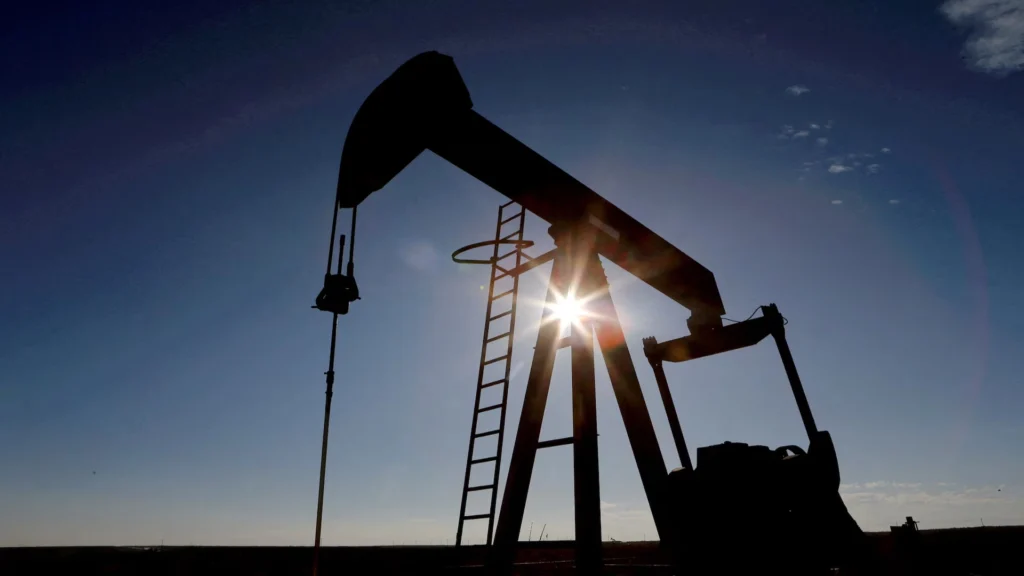
Should the blockade continue, analysts expect Brent to test March highs around $120 per barrel. Inflationary pressures would then spread across global economies. For now, the oil market remains trapped between geopolitical fear and physical scarcity.