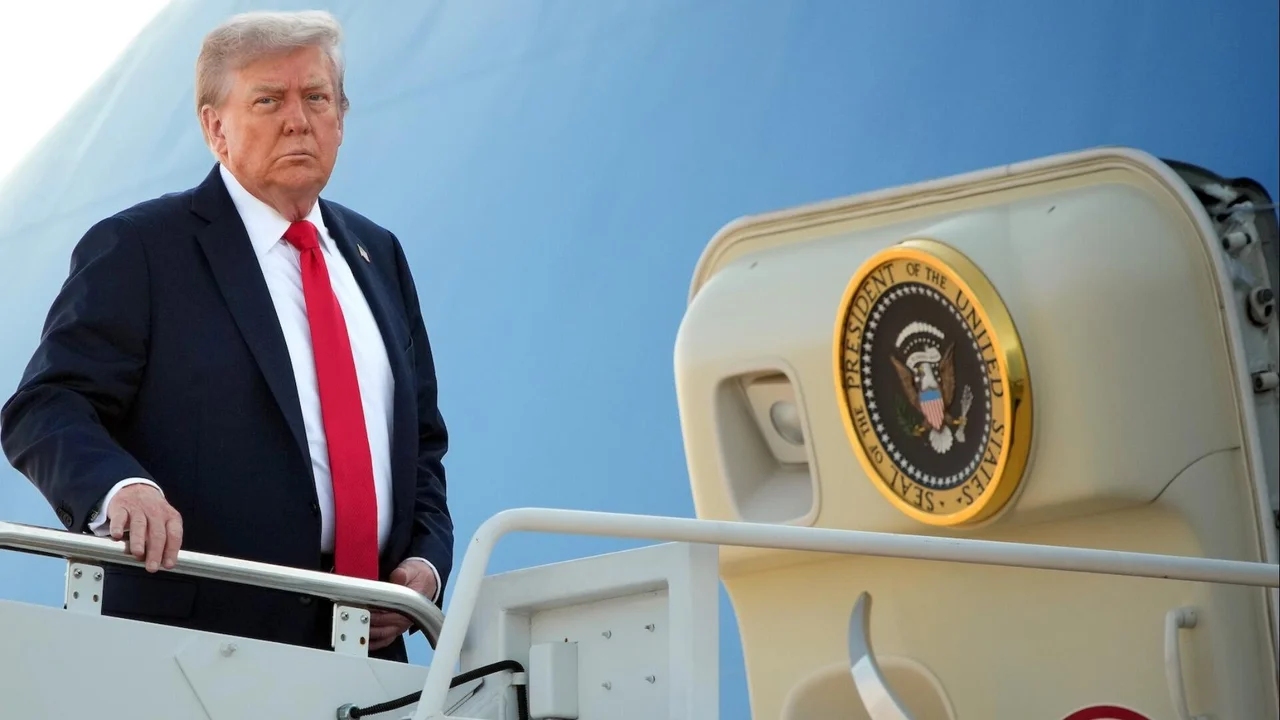
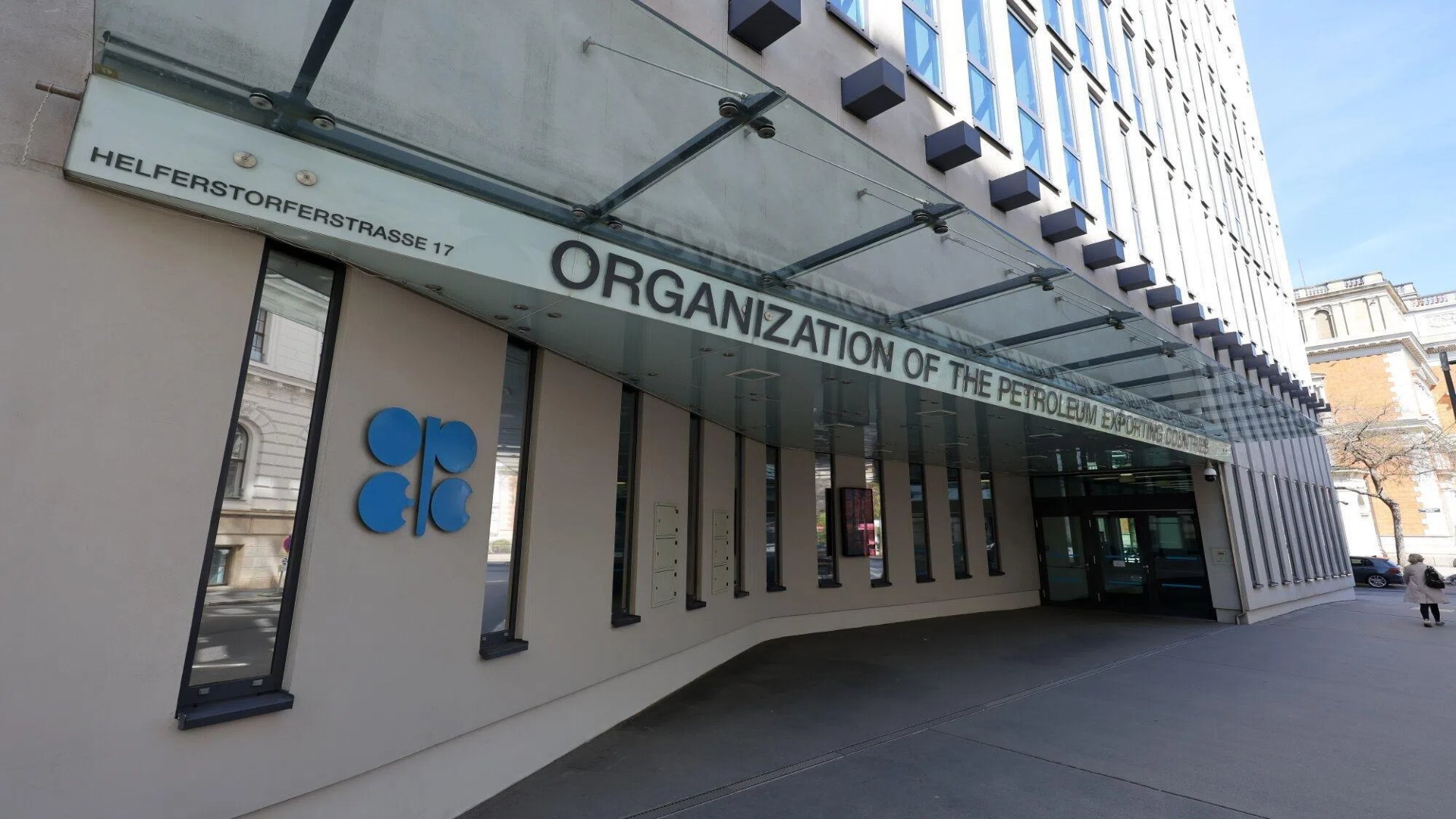
The United Arab Emirates shocked global energy markets on Tuesday by announcing it will withdraw from OPEC and the wider OPEC+ alliance effective May 1. The decision ends Abu Dhabi’s six-decade membership and removes the bloc’s third-largest producer, which holds roughly 15% of OPEC’s total production capacity.
Energy Minister Suhail Al Mazrouei said the move allows the UAE to meet surging consumer demand unconstrained by collective quotas. While dramatic, the UAE’s departure is not without precedent. Qatar left in 2019, followed by Angola in 2024.
What makes this exit different is scale. The UAE produces around 2.9 million barrels per day but has invested billions to expand capacity toward 5 million bpd by 2027. Under OPEC quotas, that spare capacity remained largely off-limits.
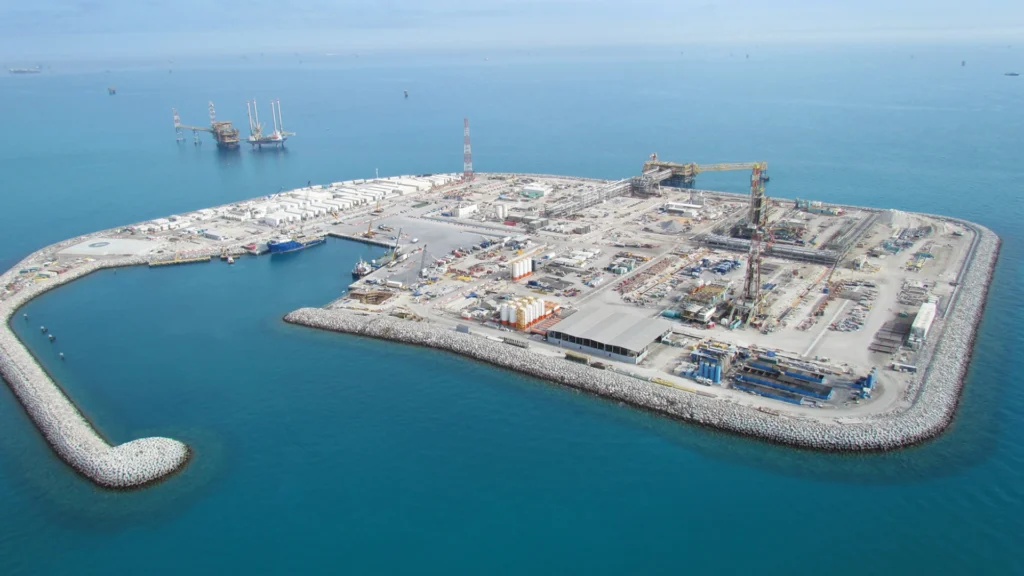
The immediate trigger is the US-Israeli war with Iran, now in its third month. Iran’s blockade of the Strait of Hormuz, a chokepoint for 20% of global oil—has already shut in roughly 10 million bpd of regional supply, according to the International Energy Agency.
With quotas rendered meaningless, Abu Dhabi saw an opening to break free. Johns Hopkins economist Steve Hanke told Fortune that the war made “take the money and run” job one for the UAE. He cited the long-term threat Iran poses to Gulf infrastructure.
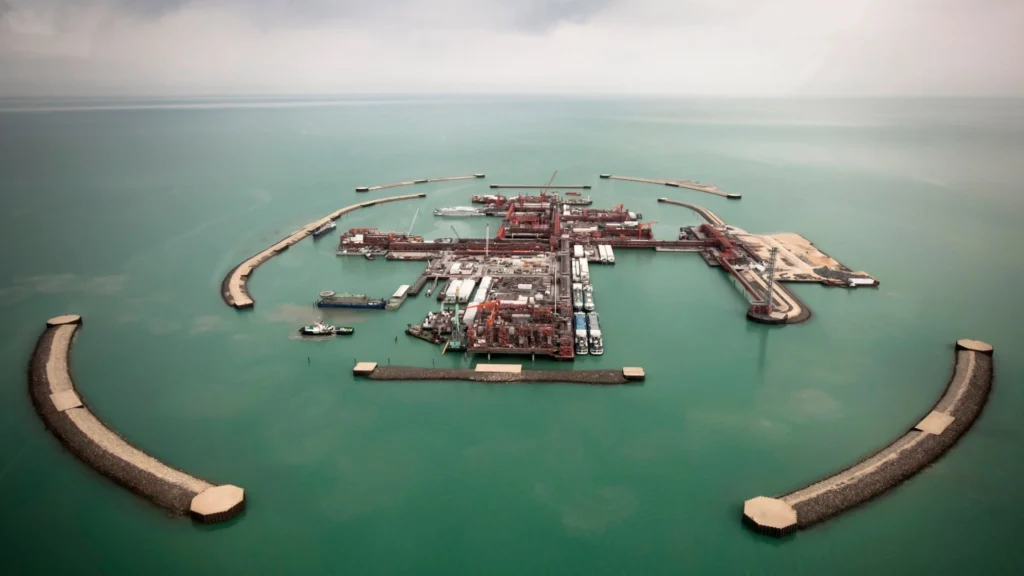
Attention now turns to which member could be next. Analysts have identified three high-risk candidates. Kazakhstan, a key OPEC+ partner, has consistently overproduced its quota and may see little reason to remain bound by collective discipline.
Nigeria, Africa’s largest producer, is reducing its export dependence as the new Dangote refinery processes more crude locally. This weakens the incentive to support OPEC’s price-targeting framework. Venezuela also features on watch lists.
Venezuela’s output has rebounded faster than expected, exceeding 1 million bpd in March. Any political shift in Caracas could push the country toward an independent path. These three nations bear close watching. The consequences for oil markets could be severe. In the short term, the blockade keeps most Gulf production offline. So immediate physical supply changes remain limited for now.
But once the Strait reopens, the UAE is expected to ramp up output aggressively. Matt Smith, chief oil analyst at Kpler, warned that a return to 5 million bpd would flood markets with new supply. This would pressure prices downward over time.
OPEC’s ability to manage global supply shrinks dramatically without one of its most disciplined members. MST Financial’s Saul Kavonic called the exit “the beginning of the end of OPEC.” He predicted Saudi Arabia will struggle to hold the remaining coalition together alone.
For now, a full domino effect remains uncertain. Several OPEC delegates told Bloomberg they do not plan to follow immediately. But the next major test will come when oversupply returns to the market.