
Universal Music Group is moving to unlock billions in capital by selling part of its stake in Spotify, even as currency pressures weighed on its latest quarterly results—highlighting a strategic shift in how the world’s largest music label is balancing growth and shareholder returns.
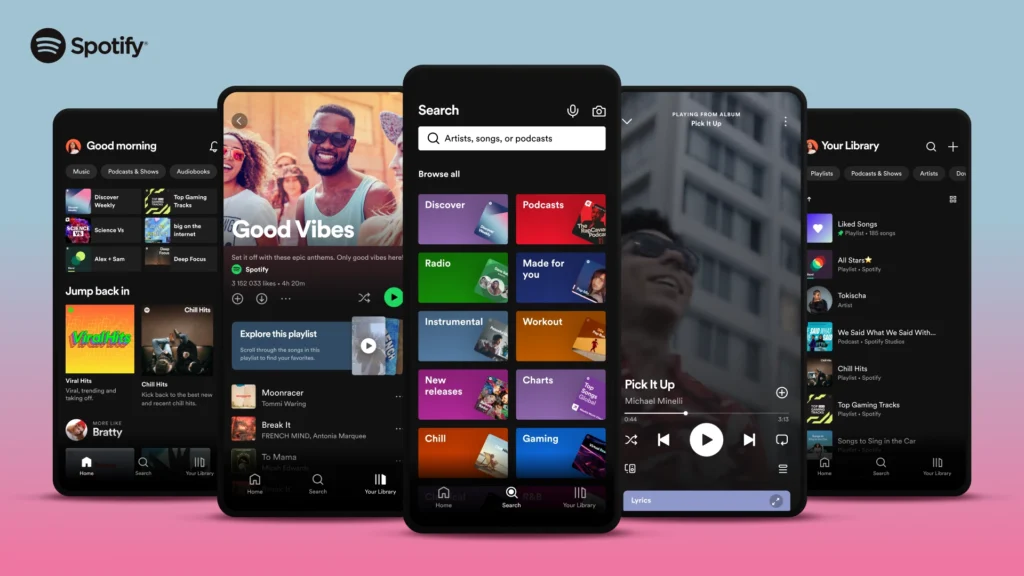
The company confirmed it will sell half of its equity stake in Spotify and channel the proceeds into an expanded share buyback program, after reporting first-quarter results that were dampened by a weaker U.S. dollar.
This dual announcement underscores a pivotal moment for Universal Music Group (UMG), as it seeks to reassure investors about valuation while navigating volatile global currency conditions.
UMG has long benefited from its ties to streaming platforms like Spotify, which transformed the music industry’s economics over the past decade. Its equity stake—built through licensing relationships and earlier deals—has grown significantly in value as streaming adoption surged worldwide. However, the decision to partially exit that position signals a shift toward direct capital returns rather than passive equity exposure.
In its latest earnings, UMG reported revenue of €2.9 billion, flat year-on-year in reported terms, though it rose 8.1% in constant currency, indicating that exchange rate movements—particularly a weaker dollar—masked underlying growth.
At the same time, adjusted EBITDA fell 3.8% to €636 million, again largely due to currency effects, while still showing a 3.9% increase in constant currency terms.
The company’s board said it considers UMG shares undervalued, which is driving the decision to double its buyback authorization to €1 billion, pending shareholder approval.
Operationally, the business continues to lean heavily on streaming growth. Subscription and streaming revenue rose 10.9% in constant currency, outperforming analyst expectations and reinforcing streaming as the industry’s primary growth engine.
UMG executives framed the Spotify stake sale as part of a broader capital discipline strategy. CFO Matt Ellis stated that monetizing the stake and expanding buybacks would “lead to enhanced shareholder value while maintaining flexibility” for future investments.
Notably, the company also confirmed that artists will share in proceeds from the Spotify stake sale, consistent with its compensation policies.
The move comes at a time when streaming platforms themselves are under increasing scrutiny from investors over growth sustainability and pricing strategies. By converting part of its Spotify holdings into buybacks, UMG is effectively reducing exposure to platform volatility while doubling down on its own equity story.
Still, the results highlight a key vulnerability: currency fluctuations. Despite solid underlying growth in subscriptions, physical sales, and licensing income, reported performance was constrained by foreign exchange movements—an ongoing risk for globally diversified media companies.

Looking ahead, UMG’s strategy suggests a more aggressive focus on shareholder returns and capital efficiency. If buybacks proceed as planned and streaming growth remains strong, the company could strengthen investor confidence in its valuation.
However, much will depend on external factors—particularly currency stability and the continued expansion of global streaming markets. The partial exit from Spotify may prove timely, but it also marks a turning point: UMG is shifting from riding the streaming wave to actively reshaping how it captures value from it.