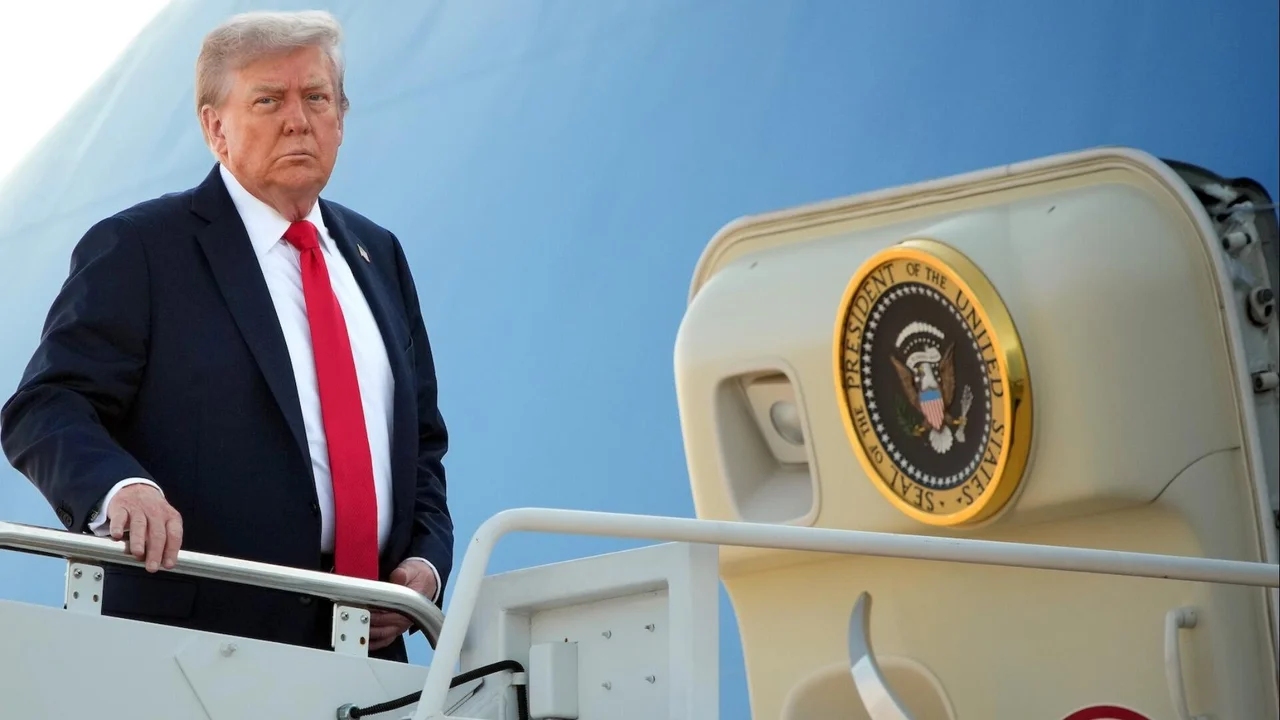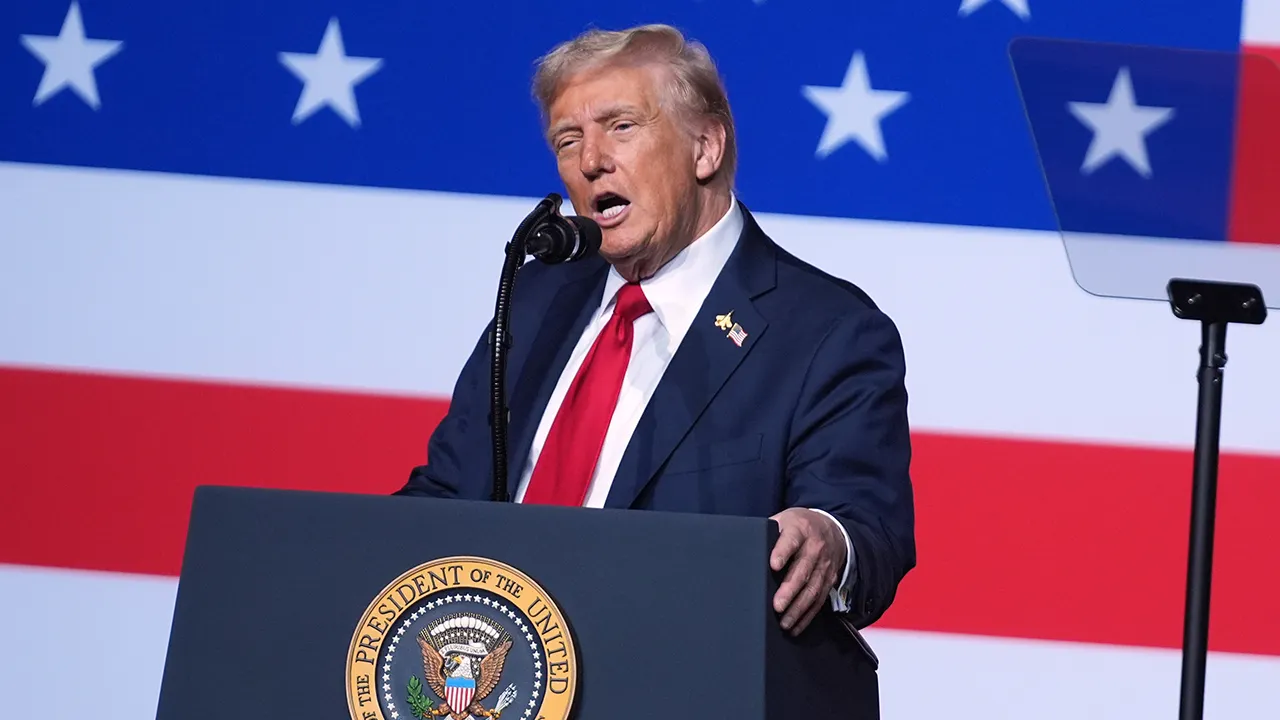
US President Donald Trump has announced on Truth Social that he will increase tariffs on European Union automobiles and trucks to 25%, a decision that immediately raises the risk of a new trade escalation between Washington and Brussels. The move, confirmed on May 1, 2026, targets one of the most sensitive sectors in transatlantic trade and could significantly disrupt global auto supply chains.
The announcement marks a sharp intensification of existing trade frictions, as both sides were already operating under a fragile framework agreement struck in 2025. That deal had set tariffs on EU autos at around 15%, in exchange for broader trade concessions. Trump now argues that the European Union has failed to fully comply with that agreement.
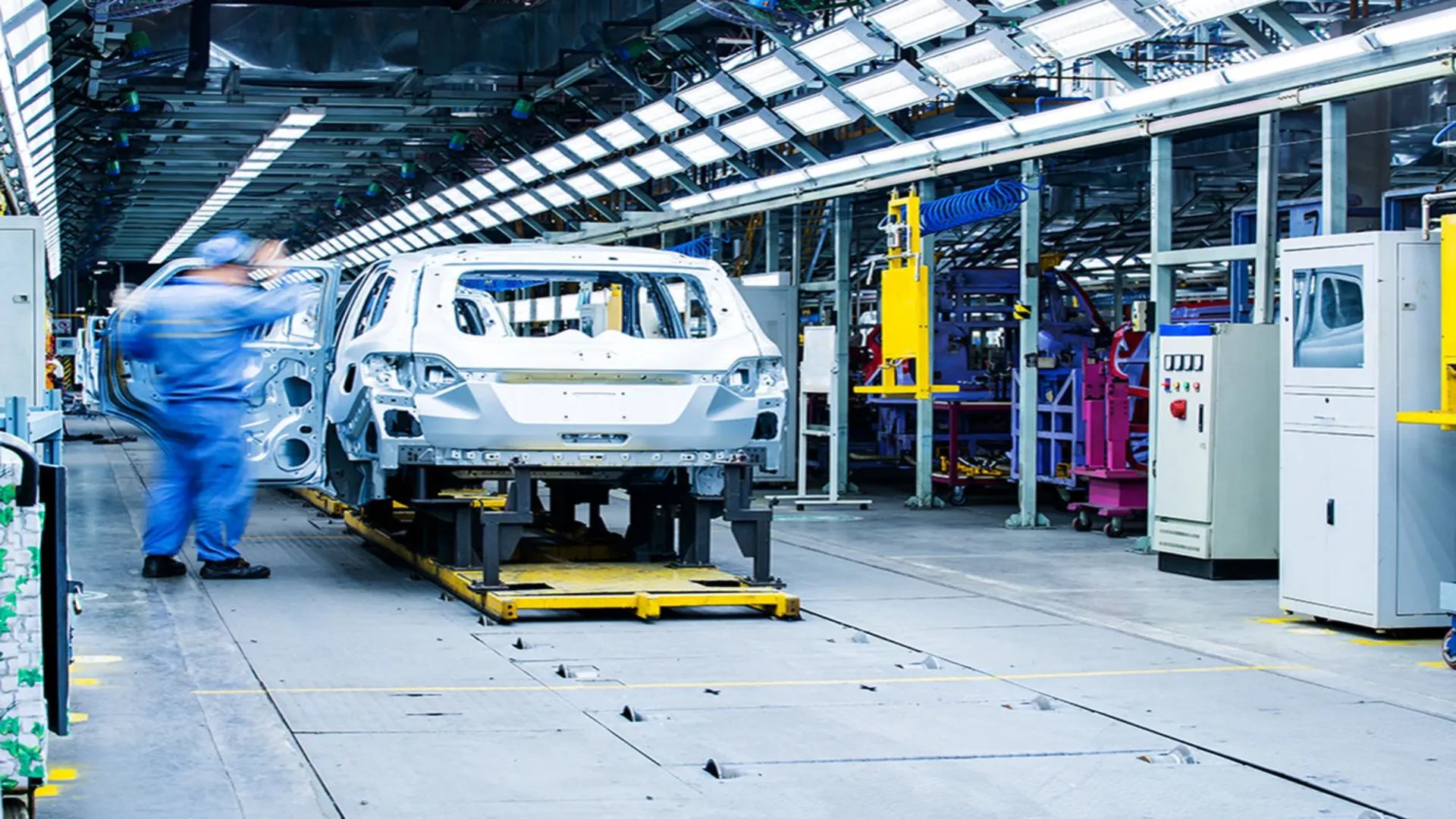
According to Trump’s statement on Truth Social, the tariff increase is intended to pressure European automakers into shifting production to the United States. He also stated that vehicles manufactured inside the US would be exempt from the new tariffs, reinforcing his broader policy goal of reshoring industrial production.
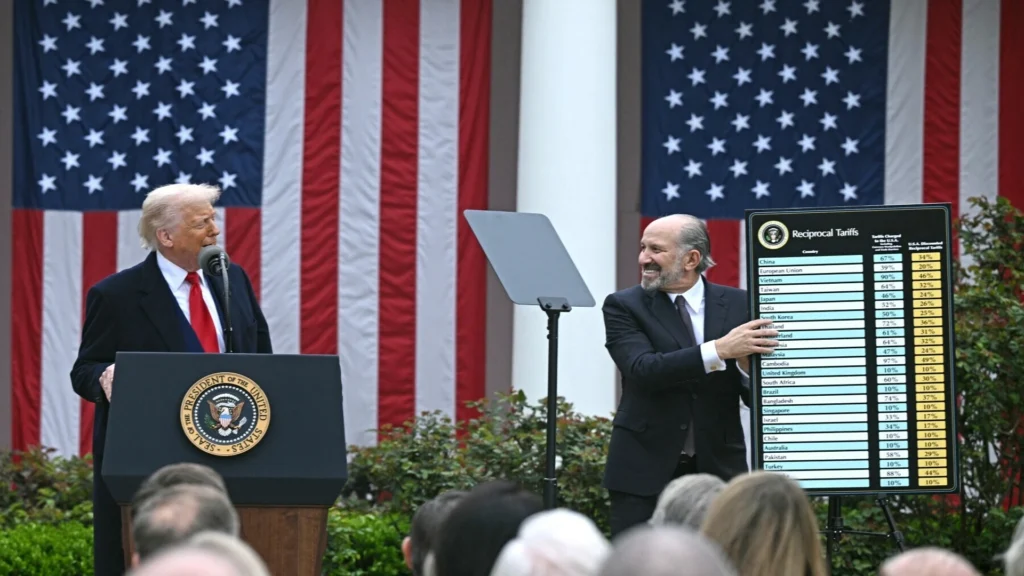
European officials have rejected the claim of non-compliance and warned that the US move risks undermining the existing trade framework. The dispute is now expected to escalate into formal negotiations or possible retaliatory measures from the EU.
The current conflict stems from a trade agreement reached in mid-2025 between the United States and the European Union. That framework reduced US tariffs on EU-made cars to approximately 15%, down from earlier proposed levels that had reached as high as 50% during negotiations, according to reporting on the agreement’s final structure.
However, implementation on the European side has been slow, with legislative approval processes delaying full tariff adjustments. EU officials maintain that procedural delays do not equal non-compliance, setting the stage for disagreement over the interpretation of the deal.
The decision to raise tariffs to 25% is significant because it effectively pushes EU vehicles into a higher-cost category in the US market. This level aligns with existing US tariffs already applied to certain heavy-duty vehicles, meaning European manufacturers could lose competitive pricing advantages overnight.
The timing is also politically and economically sensitive. The global automotive industry is already under pressure from shifting supply chains, rising energy costs, and increased competition in electric vehicles. Adding a 10-percentage-point tariff increase on EU imports risks compounding cost pressures for manufacturers like Volkswagen, BMW, Mercedes-Benz, and Stellantis.
Trump has justified the move as a leverage tool, arguing that it will accelerate investment in US-based production facilities. His administration has previously promoted similar tariff-based strategies to encourage reshoring, though economists remain divided on long-term outcomes.
The scale of exposure is substantial. EU-US goods and services trade reached approximately $2 trillion in 2024, underscoring how deeply integrated the two economies are.
Automotive trade represents one of the most critical components of this relationship, with European manufacturers exporting hundreds of thousands of vehicles annually to the US market.
Market reactions were immediate. Following the announcement, US stock indexes showed mixed performance, with the Dow falling into session lows while broader indices remained volatile, reflecting investor uncertainty over the potential economic fallout.
Analysts have warned that such tariff increases could raise vehicle prices for US consumers and trigger retaliatory trade measures from the European Union, further escalating tensions.
The proposed 25% tariff on EU cars signals a renewed phase of trade confrontation between the United States and Europe. While the White House frames the move as enforcement of a stalled agreement, European officials view it as a breach of previously negotiated terms.
The next phase will depend on whether diplomatic channels can stabilize the dispute or whether both sides move toward retaliatory tariffs. Given the scale of transatlantic trade and the importance of the automotive sector, even partial escalation could have widespread economic consequences in the months ahead.