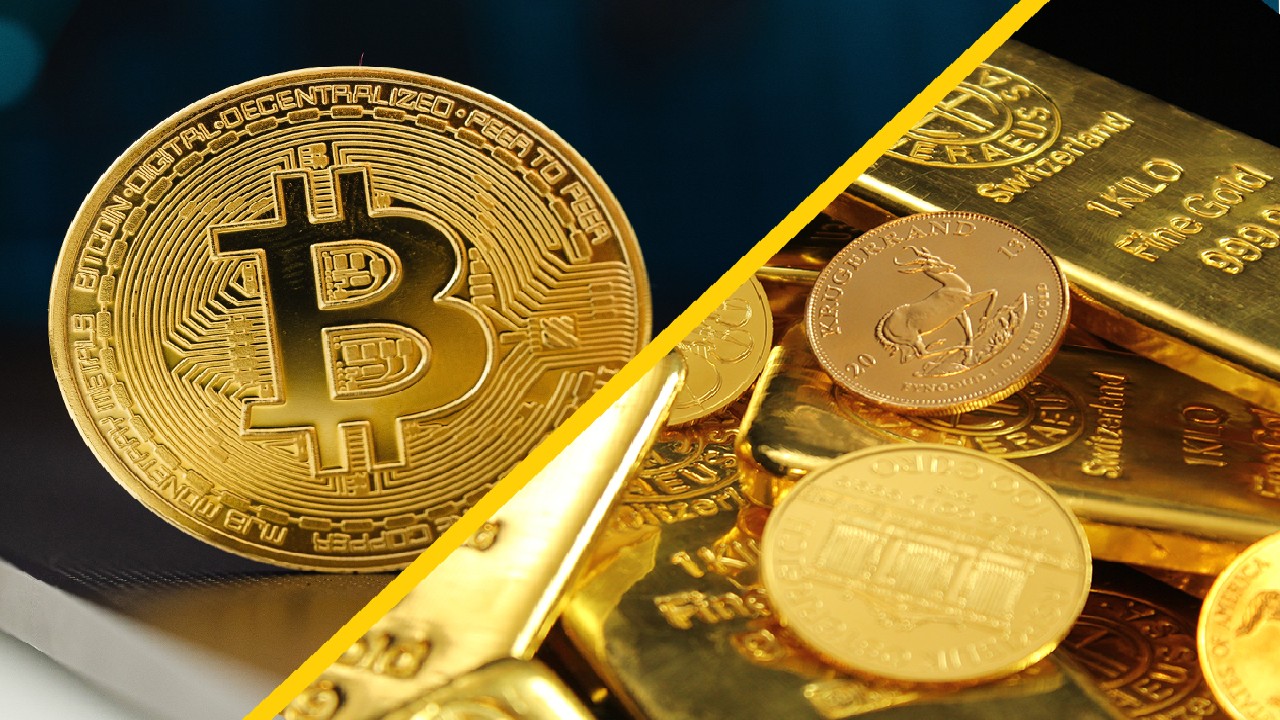
The debate between Gold and Bitcoin has become one of the biggest investing discussions of the modern era. One is a centuries-old safe-haven asset trusted by governments and central banks. The other is a digital currency that transformed global finance in just over a decade.
Both are popular for very different reasons. Gold is associated with stability and wealth preservation, while Bitcoin is known for rapid growth potential and high volatility. The problem for most investors is deciding which one actually makes more sense today.
Gold vs Bitcoin: The Main Difference
Gold is a physical asset with intrinsic value and a long history of being used as money, jewelry, and a reserve asset. Even during major economic crises, investors usually turn toward gold because it has maintained value for generations.
Bitcoin works differently. It is a decentralized digital currency with a fixed supply cap of 21 million coins.
That limited supply is a major reason why many investors compare Bitcoin to gold. Supporters believe scarcity could make Bitcoin increasingly valuable over time, especially as adoption grows globally.
The key distinction is that gold is already an established global asset, while Bitcoin is still developing and evolving. That creates both opportunity and risk.
Price Stability: Gold Is Safer
When it comes to stability, gold clearly has the advantage. Gold prices move over time, but they usually do not experience the extreme swings that Bitcoin regularly sees.
Bitcoin can gain or lose massive value in short periods. Double-digit percentage moves in a single week are common. That volatility attracts traders and aggressive investors, but it can also scare people away during market downturns.
Gold tends to perform better during uncertain economic periods because investors view it as a defensive asset. During inflation, recessions, or geopolitical tension, gold often holds value more consistently than riskier investments.
Bitcoin behaves more like a high-growth technology asset. It can generate impressive returns, but those returns usually come with significant price fluctuations.
For someone protecting savings or planning for retirement, gold generally feels safer and easier to hold long term. For someone focused on maximizing returns and comfortable with risk, Bitcoin may appear more attractive.
In terms of stability and lower stress, gold wins comfortably.
Growth Potential: Bitcoin Has More Upside
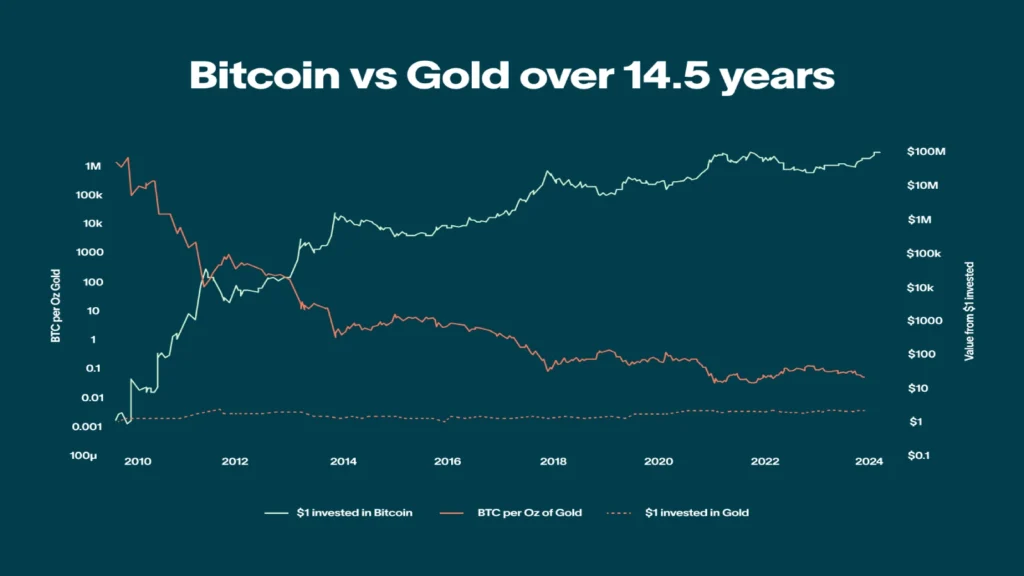
Gold has historically delivered steady long-term appreciation, especially during periods of inflation and economic uncertainty. However, gold rarely produces explosive returns in short timeframes.
Bitcoin is different. Over the past decade, it dramatically outperformed many traditional investments, including gold. That growth potential is one of the biggest reasons younger investors and institutions started paying attention to cryptocurrency markets.
The reason behind Bitcoin’s upside is relatively simple. The cryptocurrency market is still far smaller than the global gold market, leaving more room for future expansion if adoption continues increasing.
Gold is already deeply integrated into the global financial system. Bitcoin is still growing into its role.
That also explains why Bitcoin carries higher risk. Markets with greater growth potential are usually more volatile because prices react more aggressively to demand, regulation, and investor sentiment.
If your goal is aggressive long-term growth, Bitcoin has the stronger upside. If your goal is preserving wealth steadily, gold remains the safer option.
Accessibility and Ease of Buying: Bitcoin Feels More Convenient
Buying both assets is easier today than it was years ago, but Bitcoin still feels more convenient for most modern investors.
Bitcoin can be purchased instantly through cryptocurrency exchanges and investing apps. Investors can buy very small fractions without needing large amounts of capital. Trading also happens 24 hours a day, seven days a week.
Gold is slightly more complicated depending on how you buy it. Physical gold requires storage and security, while gold ETFs depend on traditional financial systems and market hours.
There are also extra considerations with physical gold, including shipping, insurance, and dealer markups. Bitcoin avoids most of those issues because it exists digitally.
However, convenience comes with tradeoffs. Bitcoin investors must understand digital wallets, online security, and crypto scams. Losing access to a wallet can create serious problems.
Gold may be less convenient, but many investors still prefer the comfort of owning a physical asset they can actually hold.
For accessibility and digital convenience, Bitcoin has the edge.
Security and Trust: Gold Still Leads
Gold’s greatest strength is trust. It has survived wars, economic collapses, currency failures, and financial crises for centuries. Governments and central banks still hold large gold reserves because it remains globally recognized as a store of value.
Bitcoin’s security comes from technology rather than historical trust. The blockchain itself is considered highly secure, but the broader crypto industry still faces concerns around exchange hacks, scams, and changing regulations.
That uncertainty matters to conservative investors.
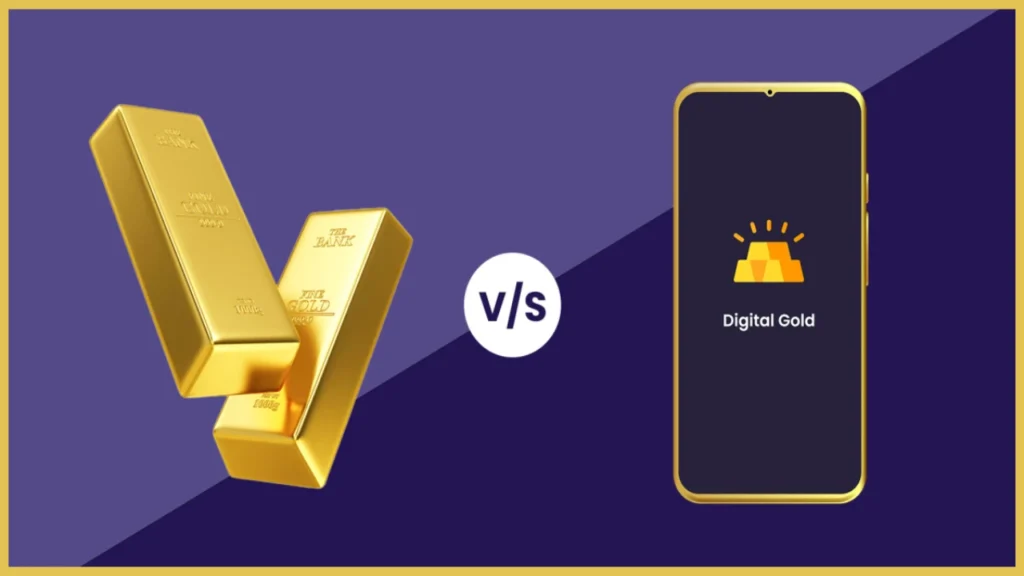
Gold does not rely on internet access, electricity, or digital infrastructure. Bitcoin does. While Bitcoin supporters see decentralization as a major advantage, critics view it as an additional layer of risk.
For investors who prioritize reliability and long-term confidence, gold still feels safer and more established. Bitcoin may eventually gain that same level of trust, but it has not fully reached that point yet.
Inflation Protection: Gold Is More Proven
Both gold and Bitcoin are often described as inflation hedges, but gold currently has the stronger real-world track record.
Gold historically performs well during inflationary periods because investors move toward safer assets when purchasing power weakens. That behavior has repeated across multiple economic cycles.
Bitcoin supporters argue that its fixed supply makes it naturally resistant to inflation because no government can endlessly create more coins. In theory, that scarcity could support long-term value growth.
In practice, though, Bitcoin still reacts heavily to investor sentiment and broader financial markets. During periods of economic stress, it often behaves more like a risk asset than a traditional safe haven.
Gold’s inflation-protection reputation is already established. Bitcoin’s version is still being tested in real-world conditions.
Fees and Ownership Costs: Bitcoin Is Usually Cheaper
Owning gold can involve several hidden costs. Physical gold buyers may pay dealer premiums, storage fees, insurance costs, and lower resale spreads when selling.
Bitcoin ownership is generally cheaper if you are holding long term. Most costs come from exchange transaction fees or network fees during transfers.
That lower ownership cost makes Bitcoin attractive to smaller investors who want exposure without paying for storage or security services.
Still, there is another kind of cost with Bitcoin: emotional pressure. Large price swings can cause panic-selling and poor investment decisions, especially for inexperienced investors.
Gold’s slower price movements often make it psychologically easier to hold over long periods.
Financially, Bitcoin is usually cheaper to own, but gold can feel emotionally safer.
Market Size and Financial Influence
Gold remains significantly larger and more dominant globally. The gold market is worth trillions of dollars and is closely tied to governments, banks, investment funds, and jewelry industries.
Bitcoin, despite becoming the largest cryptocurrency in the world, is still much smaller overall.
That difference matters because larger markets tend to be more stable. Gold’s size helps reduce extreme volatility. Bitcoin’s smaller size partly explains why prices move so aggressively during major buying or selling periods.
At the same time, smaller markets can grow faster. Bitcoin supporters believe future adoption by institutions, governments, and retail investors could continue expanding its value over time.
Gold is the established giant. Bitcoin is the fast-growing challenger trying to reshape modern finance.

Who Should Buy Gold?
Gold is generally better for investors who prioritize stability, wealth preservation, and lower risk. It works particularly well for conservative investors, retirees, or anyone focused on protecting purchasing power during uncertain economic periods.
If you prefer steady performance over dramatic price swings, gold is likely the better fit.
Who Should Buy Bitcoin?
Bitcoin makes more sense for investors comfortable with volatility and focused on long-term growth potential. It appeals strongly to younger investors, technology-focused investors, and people who believe digital assets will become increasingly important in the future financial system.
If you can tolerate short-term market swings for the possibility of higher returns, Bitcoin becomes more attractive.
Final Verdict: Which One Is Better?
For most traditional investors, Gold is still the better overall choice because it offers stability, global trust, and proven long-term value preservation.
However, Bitcoin has far greater growth potential and stronger appeal for investors willing to accept higher risk in exchange for potentially larger rewards.
The better investment ultimately depends on your goals.
If your priority is safety and protecting wealth during uncertain times, gold is the stronger option. If your priority is growth and exposure to the future of digital finance, Bitcoin has more upside.
Best for Budget Users
Bitcoin, because it is easier to buy in small amounts and cheaper to hold digitally.
Best for Convenience
Bitcoin, thanks to instant global access and 24/7 trading.
Best Overall
Gold, because stability and long-term trust still matter more for most investors.
Many experienced investors now hold both assets together. Gold provides stability and protection, while Bitcoin adds growth potential and exposure to digital finance. That balance can often make more sense than choosing only one side.