Saudi Arabia’s state-owned oil giant Saudi Aramco posted a sharp rise in first-quarter profit as soaring oil prices and emergency export rerouting helped offset the disruption caused by the escalating Iran conflict. The company reported that its East-West pipeline, a critical route bypassing the Strait of Hormuz, reached full operational capacity during the quarter, highlighting the growing geopolitical importance of Saudi.
Aramco said first-quarter net profit rose roughly 25% to 26% year over year to about $32.5 billion to $33.6 billion, beating analyst expectations and marking one of the company’s strongest quarterly performances in recent years. Revenue climbed nearly 7% to around $115.5 billion as higher crude prices and stronger refined product sales boosted earnings.
The earnings surge comes amid severe disruption in the Gulf energy market following the widening confrontation involving Iran, the United States, and Israel. Iran’s blockade and military threats around the Strait of Hormuz through which nearly one-fifth of the world’s traded oil normally passes forced regional producers to seek alternative export routes.
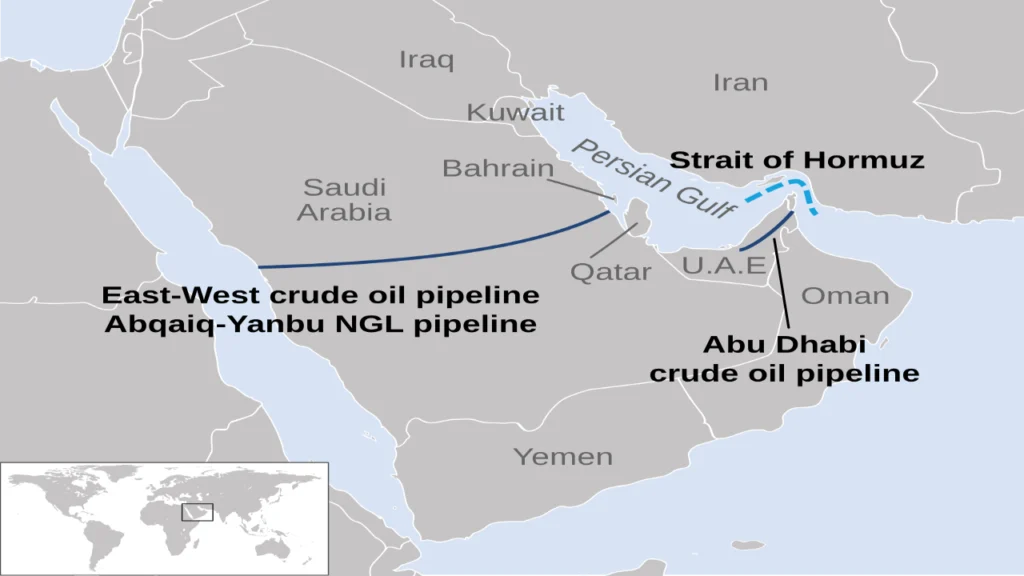
Aramco’s response centered on its East-West crude pipeline, which carries oil from Saudi Arabia’s eastern fields to the Red Sea port of Yanbu. Chief Executive Amin Nasser said the system reached its maximum capacity of 7 million barrels per day during the crisis, allowing the company to maintain exports despite shipping constraints in the Gulf. He described the pipeline as a “critical supply artery”.
The market reaction reflects how geopolitical instability has reshaped global oil pricing. Brent crude briefly approached $100 per barrel during the quarter, roughly 40% higher than levels seen before the latest escalation. Analysts say the price surge significantly boosted Aramco’s margins even as production volumes faced pressure from regional security risks.
The company also announced a first-quarter base dividend of $21.9 billion, up 3.5% from a year earlier. That payout remains crucial for Saudi Arabia’s public finances because the government and the Public Investment Fund together own roughly 97.5% of the company. The kingdom continues to rely heavily on Aramco revenue to finance major economic diversification projects under Vision 2030.
Despite the strong earnings, signs of financial strain are emerging beneath the headline numbers. Free cash flow slipped to $18.6 billion due to rising working capital costs, while the company’s gearing ratio increased to 4.8%. Capital expenditure also declined slightly during the quarter as Aramco balanced expansion plans against growing uncertainty in energy markets.
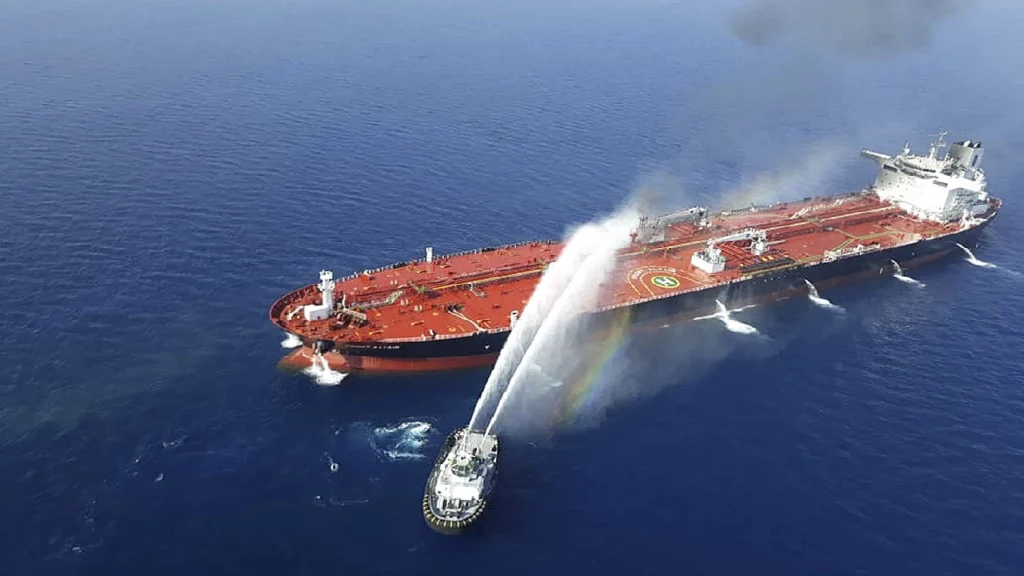
Nasser warned that even if shipping through Hormuz resumes, the global oil market may take considerable time to stabilize. Reuters reported that about 1 billion barrels of oil supply have been disrupted over the past two months because of the conflict and shipping bottlenecks.
Aramco’s results underline how energy infrastructure resilience has become just as important as oil production. The company’s ability to redirect exports through the Red Sea helped preserve Saudi Arabia’s position in global energy markets during one of the most volatile geopolitical periods in years. If tensions with Iran continue, and governments are likely to focus even more closely on alternative export routes.